How to Tell if Fractional HR Leadership Is Working
Bringing in fractional HR leadership is a sign that an organization has reached a turning point.
The business is growing, people challenges are becoming more complex, and leadership recognizes that handling HR reactively is no longer sustainable.
But once the engagement begins, many leaders struggle to answer the question:
Is this working?
Not all fractional HR support delivers the same value, and “things feel calmer” is not a strong enough measurement on its own.
A successful partnership should produce visible movement across leadership, operations, communication, and team management.
Leaders Spend Less Time Putting Out Fires
One of the earliest indicators is a reduction in reactive decision-making.
Before fractional HR support, many leaders spend large portions of their week handling employee issues, revisiting unclear expectations, or trying to interpret compliance requirements without enough guidance.
As the partnership takes hold, leaders stop improvising every response because processes, communication standards, and escalation paths begin taking shape.
The goal is not to eliminate challenges. The difference is that issues are handled with more continuity and less disruption.
Managers Become More Consistent
Strong fractional HR leadership improves how managers lead.
Managers begin approaching employee issues with a steadier framework, which changes everything from how performance conversations are handled to how expectations are communicated and documented across the organization. Instead of every manager operating differently, leadership starts moving from the same playbook.
This is one of the clearest indicators that the work is gaining traction because leadership habits begin changing throughout the organization, not only within HR discussions.
Employee Issues Addressed Earlier
Organizations without strong HR support allow problems to linger too long.
Leaders avoid difficult conversations or wait until discord mounts before stepping in.
As fractional HR leadership becomes integrated into the business, concerns are addressed earlier and expectations are communicated with greater precision. Managers also become more reliable in how they follow through on conversations, accountability, and next steps.
This creates a healthier operational rhythm because fewer issues reach the point of escalation.
Processes Become Easier to Follow
Another strong indicator shows up in the day-to-day operation of the business.
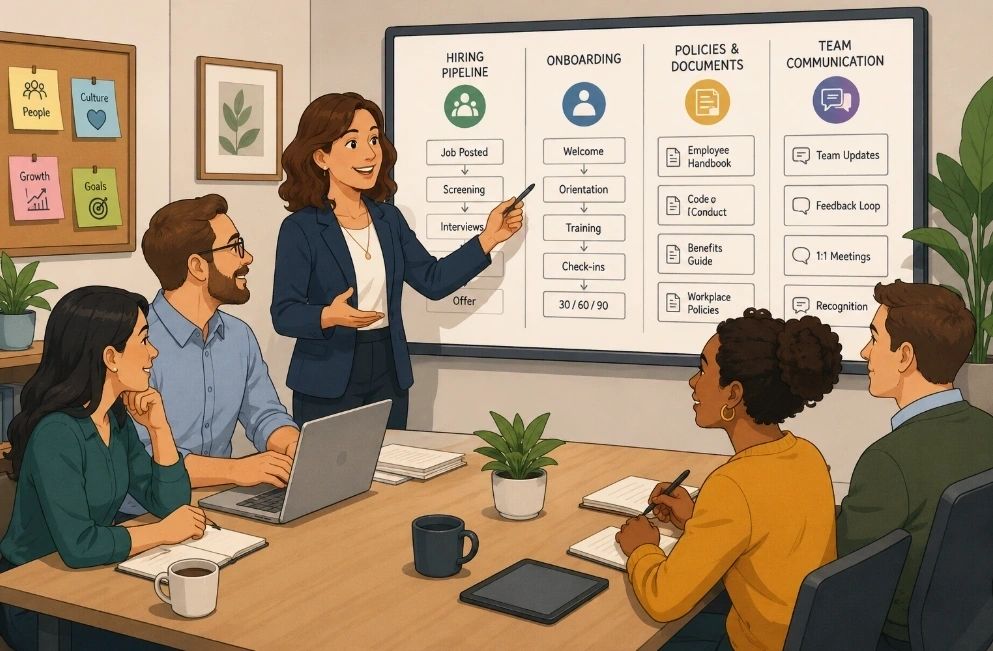
Hiring no longer feels scattered from one opening to the next, onboarding follows a more thoughtful process, and employees spend less time searching for information or trying to interpret unwritten expectations on their own.
In this respect, fewer decisions are driven by memory, assumptions, or informal workarounds that change depending on who is involved.
Leaders Gain Better Visibility into People Trends
Effective fractional HR support helps leaders identify patterns they may not have recognized before.
Recurring turnover, communication breakdowns, inconsistent management practices, or workload concerns become easier to spot because someone is looking at the organization more holistically.
This gives leadership stronger insight into what is happening beneath the surface instead of only reacting after problems become visible.
The Organization Starts Operating More Proactively
One of the strongest signs that fractional HR leadership is working is a move away from constant reaction.
Rather than waiting for performance issues, compliance concerns, or team conflict to surface, leaders begin planning ahead. Conversations happen earlier, expectations are discussed more openly, and policies evolve before they become liabilities.
The strongest engagements improve how the business handles people, communication, accountability, and growth.
About Next Step Advisory
Next Step Advisory provides tailored HR solutions for small and mid-size businesses, from hourly consulting and defined projects to a full-service HR department by monthly subscription. Founder Debbie Rabishaw brings more than 35 years of HR leadership, practical judgment, and a genuine commitment to people and business.
To discuss how you can transform your HR challenges into strategic advantages, contact us today.