How Hybrid Work Changed the Employee Handbook
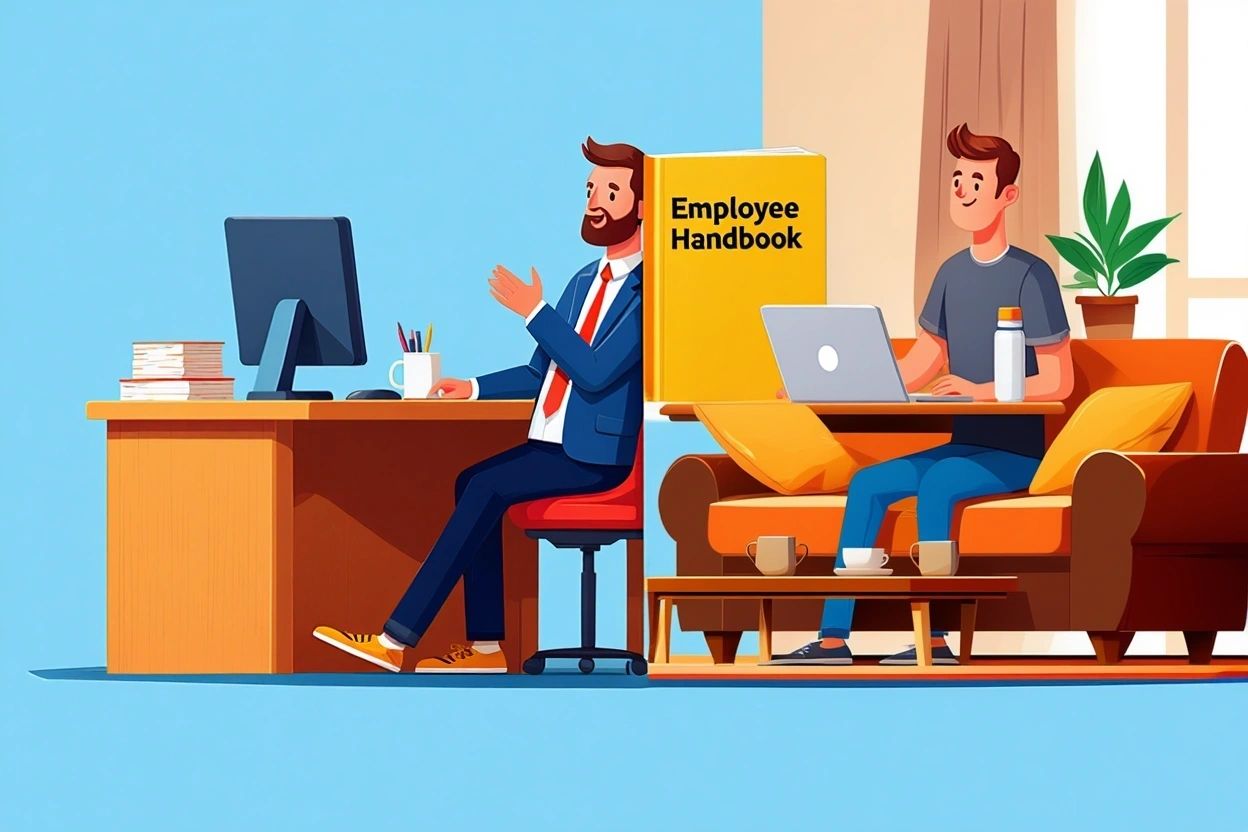
Hybrid work has quietly rewritten the rules for how organizations communicate expectations, define behavior, and document daily operations.
For years, employee handbooks focused on what happened inside a shared office, with policies built around physical presence, visible supervision, and standardized schedules.
Once work spread across kitchen tables, spare bedrooms, and coworking spaces, those assumptions stopped matching the actual climate.
Policies Built for Hallways Don’t Work on Zoom
Traditional handbook sections on attendance, supervision, and conduct were written for in-person environments.
Phrases like “report to your manager” or “during office hours” used to feel self-explanatory. In a hybrid setting, those same phrases raise practical questions. What counts as present when work happens across time zones? How quickly should messages be answered? Which meetings require cameras on?
These aren’t small details. They shape how people experience fairness, workload, and accountability.
Performance Isn’t About Visibility Anymore
Older handbook language tied performance to physical cues like being at your desk or staying late.
Hybrid work has shifted attention to results instead of proximity. That change forces updates to sections on productivity, reviews, and expectations. Employees need written guidance that explains how goals are measured when teams rarely sit in the same room.
Managers require policy support that lines up with how work actually gets done, not how it used to look.
Workplace Conduct Now Includes Home Offices
Codes of conduct traditionally assumed a shared physical space.
Hybrid work extends those standards into personal environments. Dress codes, background noise, and professional behavior during virtual meetings now belong in the handbook conversation.
This isn’t about control, but rather, creating consistent expectations so employees know what professionalism looks like when the workplace is also a living room or kitchen table.
Technology Use Has Become a Core Policy Area
Handbooks used to treat technology as a support tool.
Hybrid work turned it into the backbone of daily operations. Security, data handling, and acceptable use policies now carry more weight because work systems extend beyond office walls. Employees need clear guidance on device use, Wi-Fi security, and information sharing when they’re working remotely.
Vague language leaves room for mistakes that affect both compliance and internal trust.
Time, Flexibility, and Boundaries Had to Be Redefined
Hybrid schedules brought flexibility, but they also blurred the line between work and personal time.
Handbooks now have to address availability, scheduling norms, and time-off practices in ways that recognize different working patterns without creating confusion.
Policies geared toward a nine-to-five routine need language that reflects staggered schedules and remote days while still protecting consistency across teams.
Why Handbooks Became Strategic Documents
Employee handbooks were once treated as static reference guides. Hybrid work pushed them into a more strategic role. They now function as a written agreement about how work happens, how people are evaluated, and how teams stay connected without daily physical contact.
A handbook that still assumes a fully in-office workforce doesn’t just feel outdated, it creates misalignment between written policy and real-world practice. When expectations around availability, performance, conduct, and technology use aren’t clearly defined for hybrid work, managers are left interpreting on the fly and employees are left guessing where the boundaries are.
Next Step Advisory helps organizations close that gap. We work with leadership teams to translate how work actually happens into clear, compliant, and usable handbook language, so policies support day-to-day decision-making, manager consistency, and employee trust, not just legal requirements. If your handbook still reads like it was written for a different way of working, it may be time to revisit what it’s really saying.
About Next Step Advisory
Next Step Advisory provides tailored HR solutions for small and mid-size businesses, from hourly consulting and defined projects to a full-service HR department by monthly subscription. Founder Debbie Rabishaw brings more than 35 years of HR leadership, practical judgment, and a genuine commitment to people and business.
To discuss how you can transform your HR challenges into strategic advantages, contact us today.