Designing Benefits That Fit Small Business Needs
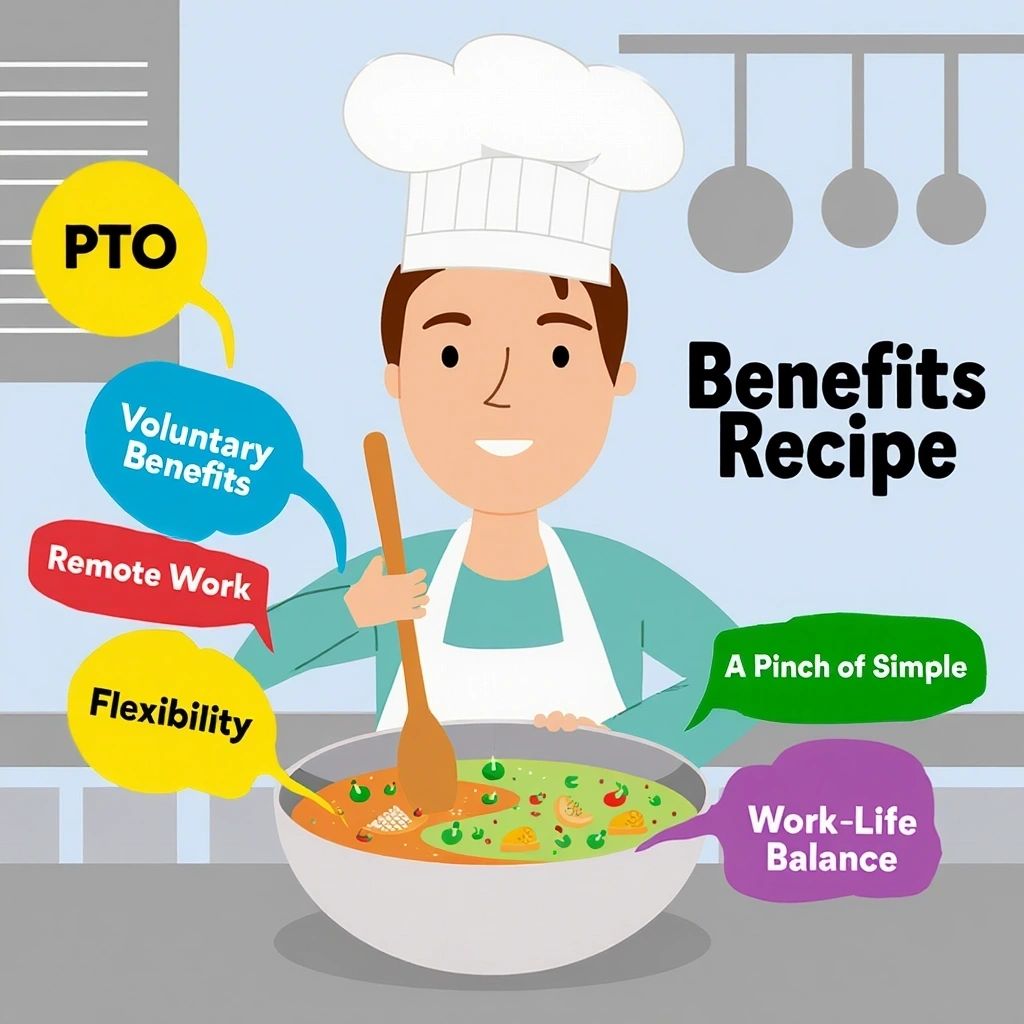
Small businesses want to offer fair benefits.
They care about their people, and they want to compete for strong talent, and for employees to feel supported. The challenge is budget. Smaller organizations often assume they can’t offer meaningful benefits until they grow, when in reality, thoughtful design goes further than a long list of expensive perks.
Attracting talent involves building a benefits package that fits the business, the budget, and the employees who keep the organization running.
Start with What Employees Value Most
The most appreciated benefits are the simplest ones.
Consistent paid time off, clear holiday schedules, flexible hours, and predictable work expectations do more for morale than many high-cost offerings. Employees want to know they can take time when needed, manage personal responsibilities, and not feel stretched to the breaking point.
Small adjustments that cost little or nothing can make a real difference. For example:
- A formal PTO policy that everyone understands.
- Flexibility for school pickups, medical appointments, and life logistics.
- Remote or hybrid options in roles where it makes sense.
- A culture that supports healthy boundaries.
Build a Benefits Plan That Matches the Business Model
Small employers tend to believe they must offer every possible benefit to stay competitive.
What they actually need is a package that aligns with their size and resources, including:
- A medical plan with a modest employer contribution.
- Dental and vision plans that employees can buy into at reasonable rates.
- A retirement plan that starts small and expands over time.
- Voluntary benefits like life insurance or disability coverage employees can choose to purchase, or not.
Communicate Benefits in a Way Employees Understand
A strong benefits plan loses value when employees don’t know how to use it.
Small businesses benefit from simple explanations, accessible summaries, and regular reminders. Many employees come from workplaces with confusing processes or limited support.
When you take the time to explain how benefits work, employees feel supported rather than overwhelmed.
Use HR Guidance to Choose the Right Partners
Benefit brokers, payroll providers, and retirement plan advisors each play a part in building a sustainable package.
Smaller businesses typically try to manage these relationships alone, which leads to unnecessary costs or plans that don’t match their needs.
HR Advisory support helps leaders understand their options and select partners who provide value without pushing add-ons they do not need.
Design with Intention, Not Pressure
Small businesses can compete for talent without offering benefits that strain the budget.
Employees appreciate clarity, consistency, and benefits that support real life. When the package reflects what the business can sustain and what employees genuinely value, it becomes an asset rather than a financial stressor.
About Next Step Advisory
Next Step Advisory provides tailored HR solutions for small and mid-size businesses, from hourly consulting and defined projects to a full-service HR department by monthly subscription. Founder Debbie Rabishaw brings more than 35 years of HR leadership, practical judgment, and a genuine commitment to people and business.
To discuss how you can transform your HR challenges into strategic advantages, contact us today.